When most gardeners think about preparing their plots for the seasons ahead, the emphasis often falls on soil enrichment, planting schedules, and managing food crops. Yet an equally vital aspect of ecological readiness is sometimes overlooked: preparing the garden to support local bird populations across the year.
Birds are not merely ornamental presences in the landscape. They perform critical ecological functions—controlling pests, pollinating plants, and dispersing seeds. By designing a bird-friendly garden, one is not only assisting wildlife but also enhancing the resilience and sustainability of the garden itself.
One of the most effective ways to do this is by incorporating thoughtfully chosen feeders. Today’s options range from traditional seed dispensers to advanced Smart Bird Feeders, allowing gardeners to create feeding stations that serve both ecological and observational purposes.
Why Bird Feeders Belong in a Prepper’s Garden
The philosophy of “garden prepping” rests upon foresight and the creation of systems that are self-sustaining. Birds, with their natural contributions to ecological balance, fit seamlessly into this framework:
- Pest Control: Many species feed on insects that would otherwise damage crops.
- Pollination Support: Certain birds transport pollen, aiding in plant reproduction.
- Seed Dispersal: Birds extend plant distribution across landscapes, enriching biodiversity.
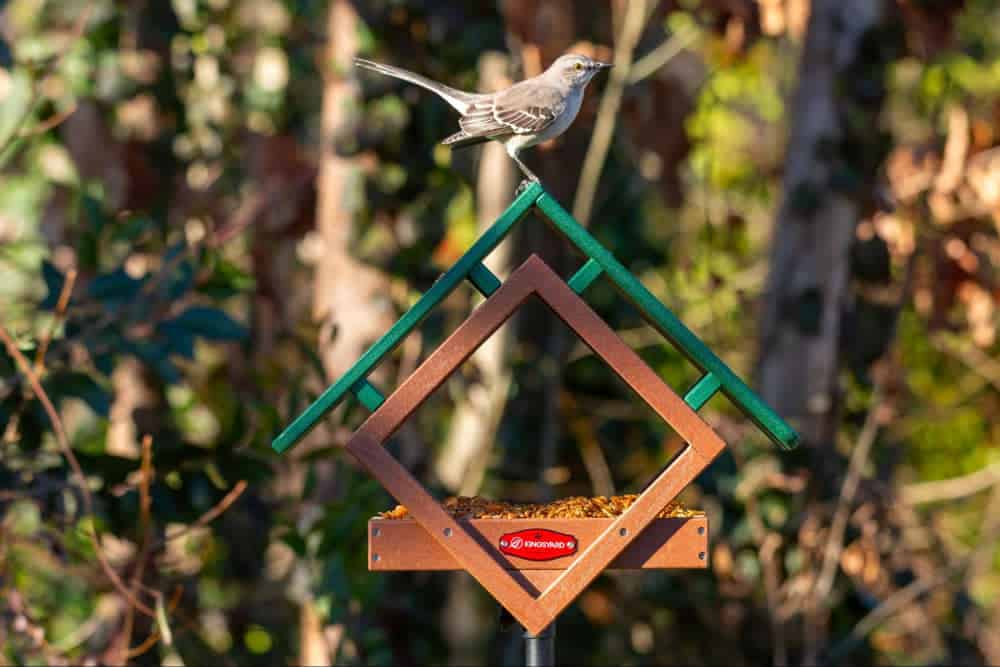
Installing feeders is a pragmatic way to ensure that birds remain present even when natural food sources are scarce. Reliable designs, such as those offered by Kingsyard, make this task accessible without imposing undue complexity on the gardener.
Selecting the Appropriate Feeder
Different feeders serve different avian needs, and diversity in feeder types increases the variety of species that will visit the garden:
- Tube Feeders: Favored by finches, chickadees, and similar small birds.
- Hopper Feeders: Larger capacity, suited to cardinals, grosbeaks, and sparrows.
- Suet Feeders: Particularly valuable in winter, offering high-energy fat essential for woodpeckers and nuthatches.
- Nectar Feeders: Indispensable for attracting hummingbirds in spring and summer.
- Smart Bird Feeders: Innovative devices combining feeding with monitoring, useful for those interested in ecological observation.
For durability and ease of maintenance, many gardeners prefer designs like bird feeders from Kingsyard, which balance practical function with longevity.
Smart Bird Feeders: A New Frontier
The emergence of smart bird feeders represents a noteworthy advancement. These devices extend beyond the mere provision of sustenance and facilitate a deeper engagement with garden ecology. Features commonly include:
- Species Identification: Cameras record high-quality images and video for accurate identification.
- Activity Tracking: Motion sensors document frequency and duration of visits, providing data on seasonal patterns.
- Food Management: Integrated sensors monitor seed or nectar levels, alerting when refills are necessary.
- Documentation: The ability to archive and share recordings enriches both private study and broader educational purposes.
For the serious gardener or amateur naturalist, such tools transform bird feeding into a data-informed practice. Insights into migration timing, species diversity, and feeding preferences can inform broader gardening strategies, from crop planning to integrated pest management.
Placement and Integration into the Garden
Feeders should be considered part of the overall garden design, not mere accessories. Effective placement ensures both bird safety and human enjoyment.
- Visibility: Situate feeders within view of indoor spaces to encourage regular observation.
- Shelter: Position near shrubs or trees that provide escape routes, but maintain distance to reduce predator ambush.
- Height: Install at least 4–5 feet above ground to deter ground predators.
- Rotation: Move feeders periodically to prevent accumulation of waste and reduce disease risk.
Integration with native plantings further enhances the habitat. Plants offering berries, seeds, and insects complement feeders and help birds perceive the garden as a dependable refuge.
Maintenance: An Ethical Obligation
Cleanliness is essential. Feeders that are not properly maintained can harbor pathogens and cause harm. Wide-mouth designs, such as those from Kingsyard, facilitate quick cleaning and refilling, lowering the threshold for consistent upkeep.
A responsible schedule—weekly cleaning during wet conditions, biweekly in cooler weather—ensures that feeders remain safe, functional, and attractive to birds.
Beyond Feeders: The Holistic Garden
While feeders are valuable, a genuinely bird-friendly garden extends beyond them. It must address the three essentials: food, water, and shelter.
- Food: A varied supply through feeders, native plants, and seasonal crops.
- Water: Birdbaths or small ponds refreshed daily; heated options in winter.
- Shelter: Evergreens, brush piles, birdhouses, and layered plantings offering refuge from predators and weather.
This integrative approach creates a resilient ecosystem in which birds, plants, and humans all benefit.
Concluding Reflections
A well-prepared garden must be understood as a network, not a collection of isolated features. Birds are indispensable allies in this system—guardians against pests, agents of pollination, and bearers of beauty.
Whether one installs a suet cage in the depths of winter, fills a seed tube for finches, or experiments with a smart bird feeder to record visitation patterns, the underlying aim is consistent: to support wildlife while strengthening the garden’s own capacity for renewal.
Instruments such as Kingsyard bird feeders exemplify how design can make this task both efficient and rewarding. Yet the principle extends beyond any brand: preparation in gardening is not about ornament, but about resilience. Helping birds thrive is, ultimately, a way of helping the garden—and ourselves—thrive as well.