Growing healthy apple trees is not complicated, but consistent care makes a major difference in how well your trees grow, how much fruit they produce, and how resistant they are to pests and diseases. Many beginner gardeners assume apple trees can simply be planted and left alone. In reality, proper watering, pruning, feeding, and seasonal maintenance are what separate weak trees from productive ones that thrive for decades.
The good news is that apple tree care becomes much easier once you understand the yearly growth cycle. Apple trees have different needs in spring, summer, fall, and winter. A young tree also requires different care than a mature fruit-producing tree. Learning a few core principles early can prevent many of the most common problems, including poor fruit production, yellow leaves, disease outbreaks, and stunted growth.
In this complete guide to apple tree care, you will learn how to care for apple trees through every season, including watering schedules, fertilizing methods, pruning basics, pest and disease prevention, fruit thinning, and troubleshooting common issues. Whether you recently planted your first tree or want to improve the health of an older apple tree, this guide will help you build strong, productive trees that produce better harvests year after year.
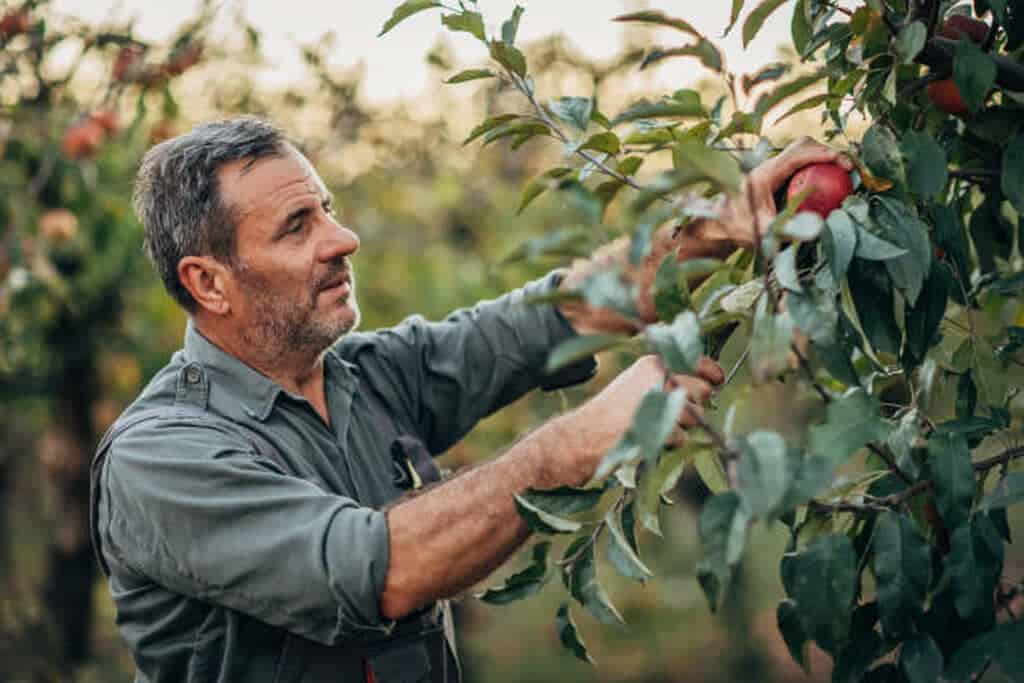
Apple Tree Care Basics Every Beginner Should Know
Before focusing on pruning schedules, fertilizers, or pest control, it is important to understand the basic needs of an apple tree. Most long-term problems begin with poor early decisions, especially incorrect planting locations, weak pollination planning, or inconsistent watering during the first few years.
Apple trees are long-lived fruit trees that can remain productive for decades when cared for properly. Healthy trees develop stronger root systems, better disease resistance, and more reliable fruit production over time. Beginners who learn the fundamentals early usually avoid the most expensive and frustrating mistakes later.
How Apple Trees Grow Throughout the Year
Apple trees follow a yearly growth cycle that determines what type of care they need during each season.
During winter, apple trees enter dormancy. Growth slows almost completely, making this the best time for heavy pruning and structural work. In early spring, buds begin swelling before blossoms appear. This is one of the most important periods for pollination and disease prevention.
After pollination, the tree enters the fruit set stage, where small apples begin forming. Throughout summer, the tree focuses on fruit development and foliage growth. In fall, apples mature and are harvested before the tree gradually returns to dormancy.
Understanding this cycle helps beginners avoid common timing mistakes, such as fertilizing too late in the season or pruning during active growth periods.
Understanding Apple Tree Types
Not all apple trees grow the same way. The tree’s rootstock affects its mature size, maintenance needs, and fruit production speed.
Dwarf Apple Trees
Dwarf apple trees stay compact and are ideal for small gardens or backyard growing. They are easier to prune, spray, and harvest, but usually require staking for support because of their smaller root systems.
Most dwarf apple trees begin producing fruit earlier than larger trees, often within 2–4 years.
Semi-Dwarf Apple Trees
Semi-dwarf trees offer a balance between manageable size and stronger root development. They are one of the best choices for beginners because they are easier to maintain than standard trees while remaining more resilient than dwarf varieties.
Standard Apple Trees
Standard trees grow much larger and can live for decades, but they require more space and maintenance. Harvesting and pruning are also more difficult because of the tree height.
For most home gardeners, dwarf or semi-dwarf apple trees are usually the better option.
How Long Apple Trees Take to Produce Fruit
Many beginners expect apples within the first year, but fruit production takes time.
- Dwarf trees: typically 2–4 years
- Semi-dwarf trees: around 4–6 years
- Standard trees: sometimes 6–10 years
Production speed also depends on sunlight, watering, pruning, pollination, and overall tree health.
Young trees should focus on root establishment before heavy fruit production. In some cases, removing flowers during the first growing season can help the tree develop stronger long-term growth.
What Apple Trees Need to Thrive
Healthy apple trees rely on a few core growing conditions.
Full Sun
Apple trees need at least 6–8 hours of direct sunlight daily. Insufficient sunlight reduces flowering, weakens growth, and increases disease pressure.
Well-Drained Soil
Apple trees dislike wet roots. Poor drainage can quickly lead to root rot, fungal problems, and stunted growth.
Consistent Water
Young apple trees especially require steady moisture while roots establish. Deep watering is more effective than shallow daily watering.
Good Air Circulation
Proper airflow helps leaves dry faster after rain and reduces fungal diseases like apple scab and powdery mildew.
Pollination Support
Many apple varieties require another compatible apple tree nearby for successful pollination. Without proper pollination, trees may bloom heavily but produce little or no fruit.
Choosing the Right Location for an Apple Tree
The planting location has a major impact on how healthy and productive an apple tree becomes. Even the best apple variety will struggle in poor conditions. Choosing the right spot from the beginning prevents many common problems later, including weak growth, disease outbreaks, and low fruit production.
How Much Sun Apple Trees Need
Apple trees grow best in full sun. Ideally, they should receive at least 6–8 hours of direct sunlight every day.
Morning sunlight is especially important because it helps dry moisture from leaves early in the day, reducing fungal disease risk.
Trees planted in shaded areas often develop:
- Sparse foliage
- Weak flowering
- Smaller fruit
- Increased disease problems
- Slower growth
Avoid planting apple trees too close to tall buildings, fences, or large shade trees.
Best Soil Conditions for Apple Trees
Apple trees prefer fertile, well-drained soil rich in organic matter.
The ideal soil conditions include:
- Loose, well-aerated soil
- Moderate moisture retention
- Good drainage
- Slightly acidic soil pH between 6.0 and 7.0
Heavy clay soil can trap too much water around roots, while extremely sandy soil dries out too quickly.
If your soil drains poorly, consider:
- Adding compost
- Planting on a raised mound
- Improving drainage before planting
Testing soil before planting is highly recommended for beginners.
Proper Spacing Between Apple Trees
Correct spacing improves sunlight exposure and airflow, both of which reduce disease pressure and support stronger fruit production.
General spacing guidelines:
- Dwarf trees: 8–10 feet apart
- Semi-dwarf trees: 12–15 feet apart
- Standard trees: 18–25 feet apart
Crowded trees compete for sunlight, nutrients, and moisture. Poor spacing also increases humidity within the canopy, encouraging fungal diseases.
Avoiding Common Planting Location Mistakes
Some planting mistakes are difficult to correct later, so choosing carefully matters.
Avoid Frost Pockets
Low areas where cold air settles can damage blossoms during spring frosts and reduce fruit production.
Avoid Poorly Drained Soil
Standing water around roots is one of the fastest ways to damage young apple trees.
Avoid Wind Tunnels
Strong winds can damage blossoms, dry out soil faster, and stress young trees.
Avoid Tight Spaces With Poor Airflow
Cramped planting locations trap humidity and encourage diseases such as powdery mildew and apple scab.
Choosing an open, sunny, well-drained location gives apple trees the strongest possible start and makes long-term maintenance significantly easier.
Planting Apple Trees the Right Way
Planting an apple tree correctly is one of the most important steps in long-term apple tree care. A poorly planted tree may struggle with weak roots, slow growth, disease problems, or poor fruit production for years. Taking extra time during planting gives the tree a much stronger foundation.
Best Time to Plant Apple Trees
The ideal planting time depends on your climate and the type of tree you buy.
In colder climates, early spring is usually the safest planting period because the tree has an entire growing season to establish roots before winter arrives.
In milder climates, fall planting can work very well because cooler temperatures and moist soil reduce transplant stress.
Bare-root apple trees are commonly planted during late winter or early spring while dormant. Container-grown trees offer more flexibility and can often be planted throughout much of the growing season if watered carefully.
Avoid planting during extreme summer heat or when the ground is frozen.
Step-by-Step Apple Tree Planting Guide
Proper planting technique helps roots spread naturally and reduces transplant shock.
Step 1: Dig a Wide Planting Hole
The hole should be roughly twice as wide as the root system but no deeper than the roots themselves. Wide planting holes loosen surrounding soil and encourage root expansion.
Avoid digging excessively deep holes because trees planted too low often develop root and trunk problems later.
Step 2: Inspect and Prepare the Roots
Before planting, inspect the roots carefully.
- Remove damaged roots
- Untangle circling container roots
- Soak bare-root trees in water for a few hours before planting
Healthy roots establish faster and absorb water more efficiently.
Step 3: Position the Tree Correctly
Place the tree so the graft union remains several inches above soil level. The graft union is the swollen area near the lower trunk where the rootstock and tree variety were joined.
Planting too deeply can cause serious long-term health issues.
Spread roots outward naturally rather than bending or crowding them.
Step 4: Backfill Carefully
Use the original soil when backfilling. Avoid heavily enriching only the planting hole because roots may struggle to expand into surrounding soil later.
Gently firm the soil while filling to eliminate major air pockets without compacting the soil excessively.
Step 5: Water Thoroughly After Planting
Deep watering immediately after planting helps settle the soil around the roots and reduces transplant stress.
Newly planted trees require close moisture monitoring during their first growing season.
Mulching Around Apple Trees
Mulch helps conserve moisture, regulate soil temperature, and suppress weeds around young trees.
Good mulch options include:
- Wood chips
- Shredded bark
- Straw
- Compost
Apply mulch in a ring around the tree, usually 2–4 inches deep.
Keep mulch several inches away from the trunk itself. Piling mulch directly against the bark can trap moisture and encourage rot, pests, and fungal problems.
A properly mulched tree often establishes faster and requires less frequent watering.
Staking Young Apple Trees
Some young apple trees, especially dwarf varieties, benefit from staking during early growth.
Stakes help:
- Prevent wind damage
- Keep trees upright
- Protect developing roots
However, staking should not restrict natural movement completely. Slight movement helps the trunk develop strength.
In many cases, stakes can be removed after the first or second growing season once the tree becomes stable.
Watering Apple Trees Properly
Proper watering is one of the most overlooked parts of apple tree care. Both overwatering and underwatering can damage trees, reduce fruit production, and increase disease risk. Young apple trees are especially sensitive because their root systems are still developing.
The goal is to maintain consistent soil moisture without keeping the soil constantly saturated.
How Often to Water Young Apple Trees
Newly planted apple trees need regular watering during their first year.
A deep watering schedule is usually more effective than frequent shallow watering because it encourages roots to grow deeper into the soil.
During the growing season, young trees often need watering:
- 1–2 times per week in moderate conditions
- More frequently during extreme heat or drought
- Less often during rainy periods
Soil type also matters. Sandy soil dries out faster than heavier soil and may require more frequent watering.
The top few inches of soil should feel slightly moist but not muddy.
Watering Mature Apple Trees
Established apple trees are more drought tolerant because of their larger root systems, but they still benefit from deep watering during dry periods.
Mature trees generally require less frequent watering than young trees, especially once roots are fully established.
Deep watering becomes most important during:
- Flower development
- Fruit formation
- Extended summer heat
- Drought conditions
Inconsistent watering during fruit development can contribute to smaller apples, cracking, or premature fruit drop.
Signs of Overwatering and Underwatering
Many apple tree problems begin with improper watering habits.
Signs of Overwatering
- Yellowing leaves
- Soft or rotting roots
- Wilting despite wet soil
- Slow growth
- Fungal issues
- Leaf drop
Constantly wet soil reduces oxygen around roots and encourages root rot.
Signs of Underwatering
- Dry, curled leaves
- Crispy leaf edges
- Premature fruit drop
- Small fruit
- Cracked soil
- Weak growth
Young trees can decline quickly if drought stress continues for long periods.
Best Watering Methods for Apple Trees
The best watering methods provide slow, deep moisture penetration.
Drip Irrigation
Drip systems deliver water gradually near the root zone and reduce water waste.
Soaker Hoses
Soaker hoses work well for backyard orchards because they provide consistent moisture without soaking leaves.
Deep Hand Watering
Slow hand watering with a hose can also work effectively if done thoroughly.
Avoid frequent shallow watering because it encourages weak surface roots that dry out quickly.
Common Apple Tree Watering Mistakes
Beginners often make a few common watering errors that lead to long-term problems.
Watering Too Frequently
Constant light watering keeps roots near the soil surface and weakens drought tolerance.
Watering the Trunk Directly
Water should target the root zone around the tree canopy, not constantly soak the trunk itself.
Ignoring Rainfall
Adjust watering schedules after heavy rain to avoid oversaturation.
Wetting Leaves Repeatedly
Overhead watering can increase fungal disease pressure, especially during warm humid weather.
Consistent deep watering combined with proper drainage creates stronger roots, healthier foliage, and more reliable fruit production over time.
Fertilizing Apple Trees for Healthy Growth
Apple trees need balanced nutrition to develop healthy roots, strong branches, vigorous foliage, and quality fruit. However, more fertilizer does not always mean better growth. Overfertilizing is one of the most common beginner mistakes and can create excessive leafy growth with fewer apples.
The goal is to support steady, controlled growth while maintaining long-term tree health.
When Apple Trees Need Fertilizer
Most apple trees benefit from fertilizing in early spring as growth begins. This gives the tree nutrients during one of its most active development periods.
Young apple trees usually need more support because they are establishing roots and building branch structure. Mature fruit-producing trees often require lighter feeding, especially if the soil already contains sufficient organic matter.
Avoid fertilizing late in the growing season. Late nitrogen applications can stimulate tender new growth that may not harden properly before winter.
Best Fertilizers for Apple Trees
The best fertilizer depends on soil quality, tree age, and overall growth performance.
Organic Fertilizers
Organic fertilizers improve soil health gradually while supporting beneficial soil organisms.
Common organic options include:
- Compost
- Well-aged manure
- Fish emulsion
- Bone meal
- Organic fruit tree fertilizers
These release nutrients slowly and reduce the risk of fertilizer burn.
Balanced Fertilizers
Balanced fertilizers containing nitrogen, phosphorus, and potassium can help support overall tree growth.
Young trees often benefit from moderate nitrogen support early in development, but excessive nitrogen should be avoided because it encourages leafy growth at the expense of fruit production.
Compost as a Long-Term Soil Builder
Adding compost around apple trees improves:
- Soil structure
- Moisture retention
- Nutrient availability
- Microbial activity
Healthy soil often reduces the need for heavy fertilizer use later.
How to Apply Fertilizer Correctly
Proper application matters just as much as the fertilizer itself.
Spread fertilizer around the drip line of the tree rather than directly against the trunk. The drip line refers to the outer edge of the canopy where feeder roots are most active.
After applying fertilizer:
- Water thoroughly
- Avoid piling fertilizer near the bark
- Follow label rates carefully
Overapplication can damage roots and stress the tree.
Signs Your Apple Tree Needs Nutrients
Apple trees often show visible symptoms when nutrient levels become unbalanced.
Common Signs of Nutrient Deficiency
- Pale or yellow leaves
- Weak annual growth
- Small fruit
- Poor flowering
- Sparse foliage
- Reduced fruit production
However, similar symptoms can also result from poor drainage, root damage, or disease. Soil testing provides the most accurate information before making major fertilizer adjustments.
Common Fertilizing Mistakes
Many beginners unintentionally create problems through improper feeding practices.
Too Much Nitrogen
Excess nitrogen produces rapid leafy growth that attracts pests and reduces fruit production.
Fertilizing Too Late
Late-season fertilizing encourages soft new growth vulnerable to winter injury.
Applying Fertilizer Against the Trunk
Direct contact with concentrated fertilizer can damage bark and roots.
Ignoring Soil Conditions
Adding fertilizer without understanding soil quality can worsen nutrient imbalances instead of fixing them.
Consistent moderate feeding combined with healthy soil management usually produces the strongest long-term results.
Apple Tree Pruning for Beginner
Pruning is one of the most important parts of apple tree care. Proper pruning improves tree structure, airflow, sunlight penetration, and fruit quality. It also helps reduce disease pressure and prevents weak branch growth.
Many beginners hesitate to prune because they fear damaging the tree, but neglected apple trees often become overcrowded, less productive, and harder to manage over time.
Why Pruning Apple Trees Is Important
Apple trees naturally produce many branches, but not all growth is beneficial.
Regular pruning helps:
- Improve air circulation
- Increase sunlight inside the canopy
- Remove diseased or damaged wood
- Strengthen branch structure
- Encourage larger, healthier fruit
- Maintain manageable tree size
Well-pruned trees are usually healthier and easier to harvest.
Best Time to Prune Apple Trees
Most major pruning should happen during the dormant season, typically in late winter or very early spring before new growth begins.
Dormant pruning allows gardeners to:
- See branch structure more clearly
- Reduce stress on the tree
- Encourage vigorous spring growth
Light corrective pruning can also occur during summer to remove water sprouts or damaged growth.
Avoid heavy pruning in late fall because fresh cuts may become more vulnerable to winter injury.
Essential Pruning Tools
Using clean, sharp tools produces smoother cuts and reduces disease risk.
Common pruning tools include:
Hand Pruners
Best for small branches and young shoots.
Loppers
Useful for medium-sized branches that are too thick for hand pruners.
Pruning Saws
Needed for larger mature branches.
Disinfecting tools between cuts is especially important when removing diseased wood.
How to Prune Young Apple Trees
Young apple trees require training to build a strong structure for future fruit production.
Most backyard apple trees perform well using a central leader system, where one main trunk remains dominant.
Focus on Scaffold Branches
Scaffold branches form the primary framework of the tree. Select strong branches with wide angles rather than narrow upright growth.
Remove Competing Leaders
Multiple dominant trunks can weaken structure and increase breakage risk later.
Encourage Balanced Growth
The goal during early years is not heavy fruit production but strong structural development.
How to Prune Mature Apple Trees
Mature trees require ongoing maintenance pruning to remain productive.
Remove Dead or Diseased Wood
Dead branches can spread disease and reduce airflow.
Thin Crowded Areas
Dense canopies trap humidity and reduce sunlight penetration.
Remove Water Sprouts and Suckers
Water sprouts grow rapidly upward and consume energy without contributing much fruit production. Suckers emerging near the base should also be removed.
Control Tree Height
Keeping trees at manageable heights improves harvesting and maintenance.
Common Apple Tree Pruning Mistakes
Improper pruning can weaken apple trees instead of helping them.
Overpruning
Removing too much growth at once stresses the tree and can trigger excessive water sprout growth.
Topping Trees
Cutting off the top indiscriminately creates weak regrowth and poor structure.
Leaving Branch Stubs
Incomplete cuts heal poorly and increase disease risk.
Ignoring Branch Angles
Weak narrow branch angles are more likely to split under heavy fruit loads.
Pruning Without a Plan
Random cutting often removes productive wood while leaving structural problems untouched.
Consistent yearly pruning is usually more effective than aggressive occasional pruning. Even small annual adjustments help maintain healthier, more productive apple trees over the long term.
Pollination and Fruit Production
One of the most frustrating problems for beginners is having an apple tree that blooms beautifully but produces little or no fruit. In many cases, the issue is not tree health but poor pollination.
Understanding how pollination works is essential for reliable fruit production. Even healthy apple trees may struggle to produce apples if pollination conditions are poor.
Why Some Apple Trees Do Not Produce Fruit
Several factors can prevent apple trees from setting fruit properly.
Lack of Pollination
Many apple varieties cannot pollinate themselves effectively. Without a compatible pollinator nearby, blossoms may fail to develop into fruit.
Tree Age
Young trees often need several years before reaching productive maturity. A newly planted apple tree may bloom lightly before it is ready to support full fruit production.
Frost Damage
Late spring frosts can kill blossoms before pollination occurs. Even a short cold period during bloom can reduce harvests significantly.
Poor Pruning
Overgrown canopies reduce sunlight and airflow, weakening flower development and fruit quality.
Excess Nitrogen
Too much nitrogen encourages leafy growth instead of flowering and fruiting.
Do You Need Two Apple Trees?
Most apple trees benefit from cross-pollination, meaning pollen from another compatible apple variety improves fruit production.
Some varieties are partially self-pollinating, but yields are usually much better when another compatible tree blooms nearby.
Good pollination depends on:
- Overlapping bloom times
- Bee activity
- Compatible varieties
- Favorable spring weather
Crabapple trees can also act as effective pollinators for many apple varieties because they produce abundant blossoms.
How to Improve Pollination Naturally
Healthy pollination depends heavily on pollinating insects, especially bees.
Plant Pollinator-Friendly Flowers Nearby
Flowers that bloom around the same time as apple blossoms help attract bees into the area.
Avoid Spraying During Bloom
Pesticides sprayed during flowering can harm pollinators and reduce fruit set.
Encourage Bee Activity
A diverse garden with flowering plants throughout the season helps support pollinator populations naturally.
Fruit Thinning for Larger Apples
Many beginners hesitate to remove developing fruit, but thinning is one of the best ways to improve apple size and overall tree health.
Apple trees often produce more fruit than they can properly support.
Without thinning, trees may develop:
- Smaller apples
- Weak branches
- Inconsistent yearly harvests
- Increased disease pressure
When to Thin Apples
Fruit thinning usually happens shortly after natural fruit drop in late spring or early summer.
Proper Fruit Spacing
A common guideline is leaving one healthy apple every 6–8 inches along a branch.
Removing crowded fruit allows the remaining apples to receive more nutrients, sunlight, and airflow.
Understanding Biennial Bearing
Some apple trees naturally produce a heavy crop one year followed by a very light crop the next. This pattern is called biennial bearing.
Heavy fruit loads drain the tree’s energy and reduce flower bud formation for the following season.
Proper thinning helps reduce this cycle and promotes more consistent yearly production.
Seasonal Apple Tree Care Guide
Apple trees require different types of care throughout the year. Following a seasonal routine helps prevent problems before they become severe and keeps trees productive over the long term.
Understanding what to focus on during each season makes apple tree care much easier for beginners.
Spring Apple Tree Care
Spring is one of the busiest and most important periods for apple tree maintenance.
As trees exit dormancy, they begin producing new growth, blossoms, and developing fruit.
Fertilize Early in the Season
Spring feeding supports active growth and flowering.
Apply fertilizer before vigorous growth begins, especially for younger trees.
Monitor Blossoms Carefully
Blossoms are vulnerable to frost damage and early disease infections.
Watch weather forecasts closely during bloom periods.
Begin Pest and Disease Prevention
Many common apple pests and diseases become active in spring.
Early preventive care often works better than trying to treat severe infestations later.
Maintain Consistent Watering
Trees need steady moisture during flowering and fruit set, especially during dry springs.
Summer Apple Tree Care
Summer care focuses on supporting fruit development while managing heat, pests, and moisture levels.
Deep Water During Dry Periods
Hot weather increases water demand significantly.
Deep watering helps maintain healthy fruit development and prevents drought stress.
Maintain Mulch
Mulch helps regulate soil moisture and temperature during hot conditions.
Refresh mulch if it begins breaking down excessively.
Thin Excess Fruit
Fruit thinning improves apple size and reduces branch stress.
Watch for Pests and Diseases
Warm weather increases activity from pests such as aphids, codling moths, and spider mites.
Summer humidity can also increase fungal disease pressure.
Inspect trees regularly for:
- Damaged fruit
- Leaf discoloration
- Holes in apples
- Wilting branches
Fall Apple Tree Care
Fall is the transition period between harvest season and winter dormancy.
Proper cleanup during fall helps reduce disease and pest problems the following year.
Harvest Apples at the Right Time
Different apple varieties ripen at different times.
Ripe apples usually separate easily from branches when gently twisted.
Remove Fallen Fruit
Rotting apples attract pests and may harbor disease organisms.
Cleaning fallen fruit reduces future infestations.
Light Seasonal Cleanup
Remove damaged branches, dead fruit, and excessive debris around the tree base.
Prepare Trees for Winter
Continue watering during dry fall periods until the ground begins freezing in colder climates.
Healthy hydrated trees tolerate winter stress more effectively.
Winter Apple Tree Care
Winter is the dormant season, making it the ideal time for structural maintenance.
Dormant Pruning
Winter pruning improves branch structure and prepares the tree for strong spring growth.
Dormancy makes branch patterns easier to see clearly.
Apply Dormant Oil Sprays
Dormant oil helps reduce overwintering insect populations such as scale insects and mites.
Protect the Trunk
Young apple trees are vulnerable to:
- Rodent chewing
- Sunscald
- Bark cracking
Tree guards or protective wraps can help reduce winter damage.
Inspect for Structural Problems
Winter is a good time to identify weak branches, storm damage, or disease-related issues before spring growth begins.
Following a consistent seasonal care routine keeps apple trees healthier, more productive, and easier to manage year after year.
Common Apple Tree Diseases and How to Prevent Them
Apple trees are vulnerable to several fungal and bacterial diseases, especially in areas with poor airflow, wet weather, or overcrowded canopies. Disease problems often start small but spread quickly if ignored.
The best approach is prevention. Healthy growing conditions, proper pruning, sanitation, and early monitoring reduce most major disease issues before they become severe.
Apple Scab
Apple scab is one of the most common apple tree diseases, especially in humid climates.
Symptoms of Apple Scab
- Olive-green or dark spots on leaves
- Dark scabby marks on fruit
- Premature leaf drop
- Cracked or distorted apples
Severe infections weaken trees over time and reduce fruit quality significantly.
What Causes Apple Scab
The fungus spreads through moisture and survives on infected fallen leaves left beneath trees during winter.
Wet spring conditions greatly increase infection risk.
How to Prevent Apple Scab
- Remove fallen leaves during fall cleanup
- Improve airflow through pruning
- Avoid overhead watering
- Plant resistant apple varieties when possible
Preventive fungicide sprays may also help in regions where apple scab is consistently severe.
Fire Blight
Fire blight is a bacterial disease capable of spreading rapidly through apple trees during warm, humid conditions.
Signs of Fire Blight
- Blackened blossoms
- Wilted shoots shaped like shepherd’s crooks
- Darkened branch tips
- Oozing cankers on branches
Infected growth often appears scorched or burned.
How Fire Blight Spreads
The bacteria commonly spread through:
- Rain splash
- Insects
- Pruning tools
- Contaminated plant material
How to Manage Fire Blight
- Prune infected branches well below visible damage
- Disinfect pruning tools between cuts
- Avoid excessive nitrogen fertilization
- Improve airflow around the canopy
Quick action is important because fire blight can spread aggressively during active growth periods.
Cedar Apple Rust
Cedar apple rust is a fungal disease involving both apple trees and nearby cedar or juniper trees.
Symptoms of Cedar Apple Rust
- Bright orange or yellow leaf spots
- Leaf drop
- Reduced tree vigor
- Occasional fruit damage
The disease becomes most noticeable during spring and early summer.
Preventing Cedar Apple Rust
- Improve airflow through pruning
- Remove nearby infected cedar hosts if possible
- Choose resistant apple varieties
- Use preventive fungicides in high-risk regions
Powdery Mildew
Powdery mildew affects leaves, shoots, and blossoms with a white dusty coating.
Symptoms of Powdery Mildew
- White or gray powder on leaves
- Curled young leaves
- Distorted shoots
- Reduced fruit development
Unlike many fungal diseases, powdery mildew can spread even during relatively dry conditions.
How to Prevent Powdery Mildew
- Prune crowded growth
- Improve sunlight exposure
- Avoid excessive nitrogen fertilizer
- Remove infected shoots early
How to Prevent Most Apple Tree Diseases
Most disease prevention comes down to maintaining a healthy growing environment.
Improve Air Circulation
Dense canopies trap humidity and encourage fungal growth.
Keep the Area Clean
Removing fallen leaves and fruit reduces overwintering disease organisms.
Water Properly
Avoid soaking leaves repeatedly, especially during evening hours.
Choose Disease-Resistant Varieties
Resistant apple cultivars can dramatically reduce maintenance requirements for beginners.
Inspect Trees Regularly
Early detection makes disease control much easier and prevents larger outbreaks later.
Consistent preventative care is usually far more effective than trying to cure advanced infections.
Common Apple Tree Pests
Apple trees attract a wide range of insects that feed on leaves, bark, blossoms, and fruit. Some pests mainly cause cosmetic damage, while others can ruin entire harvests if left unmanaged.
Regular monitoring is one of the best defenses. Catching infestations early prevents small problems from becoming severe.
Codling Moths
Codling moths are one of the most destructive apple pests because their larvae burrow directly into developing fruit.
Signs of Codling Moth Damage
- Small holes in apples
- Brown frass near entry points
- Worms inside fruit
- Premature fruit drop
Affected apples are usually unusable.
Managing Codling Moths
- Remove infested fruit immediately
- Clean fallen apples regularly
- Use pheromone traps
- Apply targeted treatments when necessary
Proper sanitation significantly reduces codling moth populations over time.
Aphids
Aphids are small sap-feeding insects that cluster on young shoots and leaf undersides.
Symptoms of Aphid Infestations
- Curled or distorted leaves
- Sticky honeydew residue
- Weak shoot growth
- Increased ant activity
Heavy infestations can stress young apple trees and slow development.
Natural Aphid Control
Beneficial insects such as ladybugs and lacewings often help control aphids naturally.
Strong water sprays or insecticidal soaps may also reduce populations.
Spider Mites
Spider mites thrive during hot, dry weather and can multiply rapidly.
Signs of Spider Mite Damage
- Tiny pale speckles on leaves
- Fine webbing
- Yellowing foliage
- Leaf drop
Severe infestations weaken trees and reduce photosynthesis.
Preventing Spider Mites
- Maintain proper watering
- Avoid excessive dust around trees
- Encourage beneficial predators
Healthy well-watered trees are generally more resistant to mite outbreaks.
Scale Insects
Scale insects attach themselves to bark and branches while feeding on tree sap.
Signs of Scale Infestations
- Small bumps on bark
- Weak growth
- Sticky residue
- Branch decline
Scale insects are often difficult to notice early because they blend into bark surfaces.
Controlling Scale Insects
Dormant oil sprays during winter are one of the most effective treatments.
Pruning heavily infested branches can also help reduce populations.
Apple Maggots
Apple maggot larvae tunnel through fruit, causing internal damage and premature fruit drop.
Symptoms of Apple Maggots
- Dimpled fruit skin
- Brown winding tunnels inside apples
- Soft damaged flesh
Prevention Methods
- Remove fallen fruit promptly
- Use sticky traps
- Monitor fruit regularly during summer
Organic Pest Control Options
Many beginners prefer starting with lower-impact pest management methods before using stronger pesticides.
Neem Oil
Neem oil helps suppress several soft-bodied insects and some fungal problems.
Horticultural Oils
Dormant and summer oils help control scale insects, mites, and overwintering pests.
Beneficial Insects
Predatory insects naturally reduce many pest populations.
Proper Tree Maintenance
Healthy trees tolerate pest pressure better than stressed trees.
Good watering, pruning, sanitation, and airflow often reduce pest problems naturally.
When Pest Problems Become Serious
Minor insect activity is normal in most gardens. However, repeated severe infestations can weaken apple trees over time.
Signs that pest pressure is becoming serious include:
- Repeated heavy leaf damage
- Extensive fruit loss
- Branch dieback
- Stunted growth
- Large recurring infestations every season
Regular inspection throughout spring and summer allows problems to be managed before major damage occurs.
Troubleshooting Apple Tree Problems
Even healthy apple trees occasionally develop problems. Leaves may turn yellow, fruit may drop early, or branches may suddenly begin dying back. Many of these issues are caused by environmental stress, watering mistakes, nutrient imbalances, pests, or disease pressure.
Learning how to identify symptoms early helps prevent small problems from becoming long-term damage.
Why Are Apple Tree Leaves Turning Yellow?
Yellow leaves are one of the most common concerns among beginner growers.
Overwatering
Excess water reduces oxygen around roots and can lead to root stress or rot.
Signs of overwatering often include:
- Soft soil
- Wilting despite wet conditions
- Yellow lower leaves
- Slow growth
Nutrient Deficiencies
Nitrogen deficiency commonly causes pale or yellow foliage, especially during active growth periods.
Iron deficiency may cause yellowing between leaf veins while the veins remain green.
Poor Drainage
Compacted or waterlogged soil prevents healthy root function and often causes discoloration.
Natural Seasonal Changes
Some leaf yellowing during fall is normal as trees prepare for dormancy.
Why Is My Apple Tree Dropping Fruit Early?
Early fruit drop can happen for several reasons.
Natural Fruit Drop
Apple trees naturally shed some young fruit in late spring or early summer to balance their crop load.
This process is completely normal.
Water Stress
Inconsistent watering during hot weather can trigger premature fruit drop.
Poor Pollination
Weak pollination sometimes results in underdeveloped fruit falling before maturity.
Pest or Disease Pressure
Codling moths, apple maggots, and fungal diseases may also cause fruit loss.
Why Are My Apples Small?
Small apples are usually caused by competition for nutrients and resources.
Lack of Fruit Thinning
Trees carrying too many apples often produce undersized fruit.
Insufficient Sunlight
Dense canopies or shaded planting locations reduce fruit development.
Nutrient Imbalances
Weak soil fertility limits fruit growth and sugar production.
Drought Stress
Irregular watering during fruit development frequently reduces apple size.
Why Is My Apple Tree Not Growing?
Slow growth is usually linked to environmental stress or root problems.
Poor Soil Conditions
Compacted soil, low organic matter, or poor drainage can severely limit root expansion.
Insufficient Sunlight
Apple trees require full sun for vigorous growth.
Root Competition
Nearby grass, weeds, or large trees may compete aggressively for nutrients and moisture.
Transplant Shock
Newly planted trees often grow slowly during their first year while establishing roots.
What Causes Branches to Die Back?
Branch dieback can result from disease, winter injury, pests, or structural stress.
Fire Blight
Blackened dying branch tips are commonly associated with fire blight infections.
Winter Damage
Cold temperatures can injure bark and branch tissue, especially on young trees.
Pruning Mistakes
Improper cuts sometimes weaken branches and increase disease entry points.
Borers and Internal Damage
Some insects tunnel into branches and disrupt nutrient flow.
Why Are Apple Tree Leaves Curling?
Leaf curling is commonly associated with:
- Aphids
- Water stress
- Heat stress
- Fungal infections
- Herbicide drift
Inspect the undersides of leaves carefully for insects or visible damage.
Why Does My Apple Tree Have Cracked Bark?
Bark cracking can occur because of:
- Rapid temperature changes
- Sunscald
- Mechanical injury
- Disease
- Excessive winter stress
Young trees are especially vulnerable during winter.
Tree guards and proper watering before winter help reduce bark injuries.
How to Keep Apple Trees Healthy Long-Term
Most serious apple tree problems become less common when trees receive consistent care.
Long-term tree health depends on:
- Proper watering
- Good airflow
- Regular pruning
- Seasonal monitoring
- Clean orchard sanitation
- Healthy soil conditions
Small yearly maintenance tasks usually prevent major future problems.
Organic Apple Tree Care for Beginners
Many home gardeners prefer organic apple tree care methods because they reduce chemical exposure and help support healthier garden ecosystems. Organic growing focuses on prevention, soil health, biodiversity, and early intervention rather than relying heavily on synthetic sprays.
Organic apple care can require more observation and consistency, but strong preventative practices often reduce major pest and disease problems naturally.
Building Healthy Soil Naturally
Healthy soil is the foundation of organic fruit tree care.
Apple trees growing in biologically active soil often develop:
- Stronger root systems
- Better drought tolerance
- Improved nutrient uptake
- Increased resilience against stress
Use Compost Regularly
Compost improves soil structure and slowly releases nutrients over time.
Applying compost annually helps increase organic matter and supports beneficial microorganisms.
Mulch Around Trees
Organic mulch helps:
- Retain moisture
- Suppress weeds
- Moderate soil temperatures
- Improve soil quality gradually
Wood chips, shredded bark, straw, and leaf mulch are all commonly used around apple trees.
Avoid Excessive Soil Disturbance
Frequent digging near roots can disrupt soil biology and damage feeder roots.
Natural Disease Prevention Strategies
Organic disease management focuses heavily on prevention.
Improve Airflow
Pruning crowded branches reduces humidity inside the canopy and limits fungal disease spread.
Remove Infected Material Quickly
Diseased leaves, fruit, and branches should be removed promptly to reduce reinfection risk.
Water Carefully
Keeping foliage dry whenever possible lowers fungal pressure significantly.
Choose Resistant Varieties
Disease-resistant apple varieties often require far fewer interventions.
Organic Spray Options
Organic growers still use sprays when necessary, but they typically focus on lower-impact treatments.
Neem Oil
Neem oil can help manage:
- Aphids
- Mites
- Some fungal problems
It works best when used early before infestations become severe.
Copper Sprays
Copper-based sprays are sometimes used to suppress bacterial and fungal diseases such as fire blight or apple scab.
Horticultural Oils
Dormant oil sprays help control overwintering insect populations naturally.
Always follow label instructions carefully, even with organic products.
Encouraging Beneficial Insects
A healthy garden ecosystem naturally reduces pest pressure.
Beneficial insects such as:
- Ladybugs
- Lacewings
- Hoverflies
- Predatory mites
help control harmful pests without chemical intervention.
Plant Pollinator-Friendly Flowers
Diverse flowering plants attract both pollinators and beneficial predators.
Avoid Broad-Spectrum Pesticides
Overusing strong pesticides may kill beneficial insects alongside harmful pests.
Organic Weed Management Around Apple Trees
Grass and weeds compete with apple trees for nutrients and moisture.
Organic weed control methods include:
- Mulching
- Hand pulling
- Cardboard sheet mulching
- Natural ground covers
Keeping the area around the trunk relatively weed-free improves tree establishment and root growth.
Can Apple Trees Be Grown Organically Successfully?
Yes, but success depends heavily on:
- Climate
- Variety selection
- Consistent monitoring
- Preventative maintenance
Humid regions with high disease pressure may require more intensive management than dry climates.
For beginners, starting with disease-resistant varieties is often the easiest path toward successful organic apple tree care.
Caring for Young vs Mature Apple Trees
Apple trees need different types of care as they age. A newly planted tree focuses on root establishment and structural growth, while mature trees require maintenance that supports long-term fruit production and overall health.
Understanding these differences helps prevent common mistakes, especially overfertilizing, overpruning, or allowing young trees to produce fruit too early.
First-Year Apple Tree Care
The first growing season is critical for root development.
Young trees experience transplant stress while adapting to their new environment, so the priority should be helping roots establish rather than maximizing growth or fruit production.
Water Consistently
Newly planted trees dry out faster because their root systems are still limited.
Deep consistent watering is especially important during:
- Hot weather
- Dry periods
- Active spring growth
Allowing a young tree to experience severe drought stress during its first year can slow development significantly.
Remove Early Blossoms and Fruit
Many young trees attempt to flower shortly after planting.
Although it may be tempting to keep the fruit, removing blossoms during the first season often helps the tree direct more energy toward root and branch development.
Focus on Structural Growth
Early pruning should focus on building a strong framework rather than heavy shaping.
Strong branch structure reduces future breakage and supports healthier fruit production later.
Protect Young Bark
Young trunks are vulnerable to:
- Rodents
- Sunscald
- Mechanical damage
- Winter injury
Tree guards can help prevent bark damage during early years.
Care for Trees Between 2–5 Years Old
As apple trees mature, the focus gradually shifts toward balancing growth and fruit production.
Continue Training the Structure
Proper scaffold branch development remains important during these years.
Remove weak, crowded, or poorly angled branches before they become larger structural problems.
Introduce Controlled Fruit Production
Trees may begin producing meaningful harvests during this stage.
Avoid allowing branches to become overloaded with fruit because excessive weight can damage young limbs.
Maintain Regular Pruning
Consistent yearly pruning helps maintain:
- Good airflow
- Sunlight penetration
- Strong branch spacing
Small yearly adjustments are easier on the tree than aggressive pruning later.
Mature Apple Tree Maintenance
Mature apple trees require ongoing care to maintain productivity and health.
Focus on Fruit Quality
Established trees often benefit from:
- Fruit thinning
- Balanced fertilization
- Consistent watering
- Canopy management
These practices improve fruit size, color, and overall quality.
Control Tree Height
Unmanaged trees can become difficult to harvest and maintain.
Regular pruning keeps trees accessible while improving airflow and sunlight penetration.
Monitor for Disease and Pests
Older trees may develop:
- Dense canopies
- Dead wood
- Bark damage
- Increased disease pressure
Routine inspections help identify problems early.
Rejuvenating Old or Neglected Apple Trees
Older neglected trees can often recover surprisingly well with gradual restoration.
Avoid Heavy One-Year Pruning
Removing too much growth at once can severely stress old trees and trigger excessive water sprout growth.
Restore Airflow Gradually
Begin by removing:
- Dead branches
- Diseased wood
- Crossing limbs
- Dense overcrowded growth
Improve Sunlight Penetration
Opening the canopy improves fruit production and reduces fungal disease pressure.
Support Soil Health
Compost, mulch, and proper watering help older trees recover more effectively.
Rejuvenation often takes several seasons, but patient gradual improvement usually produces better long-term results than aggressive cutting.
Apple Tree Care Calendar by Month
A seasonal maintenance schedule makes apple tree care easier and more consistent. Instead of reacting to problems after they appear, a yearly calendar helps gardeners stay ahead of watering issues, pests, diseases, and structural problems.
Exact timing varies by climate, but the general seasonal pattern remains similar in most growing regions.
Late Winter Tasks
Late winter is one of the most important maintenance periods because trees are dormant and branch structure is fully visible.
Dormant Pruning
Remove:
- Dead branches
- Diseased wood
- Crossing limbs
- Water sprouts
Structural pruning during dormancy prepares the tree for healthy spring growth.
Apply Dormant Oil Sprays
Dormant oils help reduce overwintering pests such as:
- Scale insects
- Mites
- Aphids
Apply sprays during mild dry weather before buds fully open.
Inspect Tree Structure
Check for:
- Cracked branches
- Winter injury
- Bark damage
- Weak branch angles
Early Spring Tasks
As buds begin swelling, trees enter an active growth period.
Fertilize if Needed
Apply balanced fertilizer or compost before vigorous growth begins.
Monitor Bud Development
Watch for signs of:
- Frost damage
- Disease
- Delayed bud break
Begin Watering if Conditions Are Dry
Spring moisture supports flowering and root activity.
Late Spring Tasks
Flowering and early fruit development occur during late spring.
Support Pollinators
Avoid spraying harmful pesticides during bloom periods.
Thin Young Fruit
Once small apples begin forming, remove excess fruit to improve spacing.
Watch for Early Pest Activity
Inspect leaves and developing fruit regularly for insects or disease symptoms.
Summer Tasks
Summer care focuses on moisture management, fruit support, and pest monitoring.
Water Deeply During Heat
Trees require consistent moisture during fruit development.
Maintain Mulch
Refresh mulch if needed to conserve soil moisture.
Monitor Pests and Diseases
Summer is peak season for:
- Codling moths
- Aphids
- Spider mites
- Apple scab
- Powdery mildew
Early intervention prevents severe outbreaks.
Support Heavy Branches
Fruit-heavy limbs may require support to prevent breakage.
Fall Tasks
Fall care prepares trees for dormancy and next year’s growth cycle.
Harvest Apples
Pick fruit at proper maturity for best flavor and storage quality.
Remove Fallen Fruit and Leaves
Clean orchard sanitation reduces overwintering pests and diseases.
Water Before Freeze-Up
In colder climates, watering before the ground freezes helps reduce winter stress.
Apply Fresh Mulch if Needed
Mulch helps insulate roots during winter.
Winter Tasks
During winter dormancy, focus on protection and planning.
Protect Trunks From Rodents
Use guards or wraps to prevent bark chewing.
Monitor for Snow or Ice Damage
Heavy snow accumulation can break branches.
Plan Future Pruning and Maintenance
Winter is a good time to evaluate tree shape and long-term care goals.
Why a Seasonal Routine Matters
Apple trees respond best to consistent yearly care rather than occasional heavy intervention.
Following a simple seasonal schedule helps:
- Prevent disease
- Improve fruit quality
- Reduce pest pressure
- Maintain tree structure
- Increase long-term productivity
Even beginner gardeners can grow productive healthy apple trees by staying consistent with small seasonal maintenance tasks throughout the year.
Frequently Asked Questions About Apple Tree Care
How Often Should Apple Trees Be Watered?
Young apple trees usually need deep watering once or twice per week during the growing season, especially during hot or dry weather. Mature trees require less frequent watering because their root systems are larger and more established.
The goal is to keep the soil consistently moist without allowing it to remain waterlogged.
What Is the Best Fertilizer for Apple Trees?
A balanced fertilizer combined with compost often works well for most apple trees. Organic options such as composted manure, fish emulsion, or organic fruit tree fertilizers are also effective.
Avoid excessive nitrogen because it can encourage leafy growth instead of fruit production.
When Should Apple Trees Be Pruned?
Most major pruning should happen during late winter or early spring while the tree is dormant.
Light summer pruning may also be used to remove water sprouts or damaged branches, but heavy pruning during active growth is usually avoided.
Why Is My Apple Tree Not Producing Apples?
Several factors can reduce fruit production, including:
- Poor pollination
- Tree age
- Frost damage
- Overpruning
- Lack of sunlight
- Excess nitrogen fertilizer
Many apple trees also need another compatible variety nearby for successful pollination.
Can Apple Trees Grow in Pots?
Yes, dwarf apple trees can grow successfully in large containers if they receive:
- Full sun
- Regular watering
- Proper drainage
- Routine fertilizing
- Winter protection in colder climates
Container-grown trees generally require more frequent watering than in-ground trees.
How Long Do Apple Trees Live?
The lifespan depends on the rootstock and growing conditions.
- Dwarf trees: often 15–25 years
- Semi-dwarf trees: around 25–40 years
- Standard trees: sometimes 50 years or more
Consistent maintenance and disease prevention help extend tree productivity.
Should Fallen Apples Be Removed?
Yes. Fallen fruit can attract pests and spread fungal diseases.
Cleaning up dropped apples regularly helps reduce future pest infestations and disease pressure around the tree.
What Is the Easiest Apple Tree for Beginners?
Disease-resistant semi-dwarf varieties are often the easiest option for beginner gardeners because they are easier to manage and typically require less spraying and maintenance.
Choosing varieties suited to your local climate is equally important.
How Do You Protect Apple Trees in Winter?
Winter protection methods include:
- Applying mulch around the root zone
- Using trunk guards against rodents
- Watering before freeze-up
- Preventing bark sunscald
- Pruning during dormancy
Young trees usually need more protection than mature trees.
Can Overwatering Kill an Apple Tree?
Yes. Constantly saturated soil can suffocate roots and lead to root rot.
Common signs of overwatering include:
- Yellow leaves
- Wilting despite wet soil
- Slow growth
- Root decay
Proper drainage is just as important as watering frequency.
Why Are My Apples Cracking on the Tree?
Fruit cracking is commonly caused by irregular watering, especially after dry periods followed by heavy rain.
Maintaining more consistent soil moisture helps reduce cracking problems.
Why Does My Apple Tree Bloom but Not Produce Fruit?
This usually points to pollination issues.
Possible causes include:
- Lack of pollinator trees nearby
- Cold weather during bloom
- Low bee activity
- Poor tree health
Some varieties also bloom at different times and may not pollinate each other effectively.
Final Thoughts on Apple Tree Care
Successful apple tree care comes down to consistency more than perfection. Healthy trees are built through regular seasonal maintenance, proper watering, careful pruning, and early problem prevention rather than occasional heavy intervention.
For beginners, the most important priorities are:
- Choosing a good planting location
- Providing full sunlight
- Maintaining consistent watering
- Pruning yearly
- Monitoring pests and diseases early
Most apple tree problems become much easier to manage when caught early. Small issues such as poor airflow, overcrowded fruit, or mild pest activity can quickly grow into larger problems if ignored for multiple seasons.
Patience also matters. Apple trees take time to mature, especially during the first few years after planting. Strong root systems and healthy branch structure developed early often lead to better harvests later.
With proper care, apple trees can remain productive for decades while providing reliable harvests season after season. Even beginner gardeners can grow healthy, productive apple trees by following a simple year-round maintenance routine and focusing on steady long-term tree health.