An apple tree that grows healthy leaves but fails to produce fruit is a common problem in home gardens. The most common causes are insufficient tree maturity, poor pollination, improper pruning, unfavorable weather, nutrient imbalance, and pest or disease damage. Identifying the correct cause is essential because each issue affects flowering and fruit development in a different way.
Apple trees do not produce fruit simply because they are alive and growing. Fruit production depends on a sequence of biological events, including flower bud formation, successful pollination, fertilization, and healthy fruit development. If any stage is interrupted, the tree may bloom without setting fruit or fail to flower altogether. For example, a late spring frost can destroy blossoms within a single night, while excessive nitrogen fertilizer encourages vigorous leaf growth instead of flower production.
This guide explains why an apple tree is not producing fruit by walking through the most common causes in the order they should be checked. You will learn how tree age, pollination, weather, pruning, fertilization, soil conditions, pests, and diseases influence fruit production. Each section also includes practical gardening solutions so you can identify the underlying problem and improve the chances of harvesting healthy apples in future growing seasons.
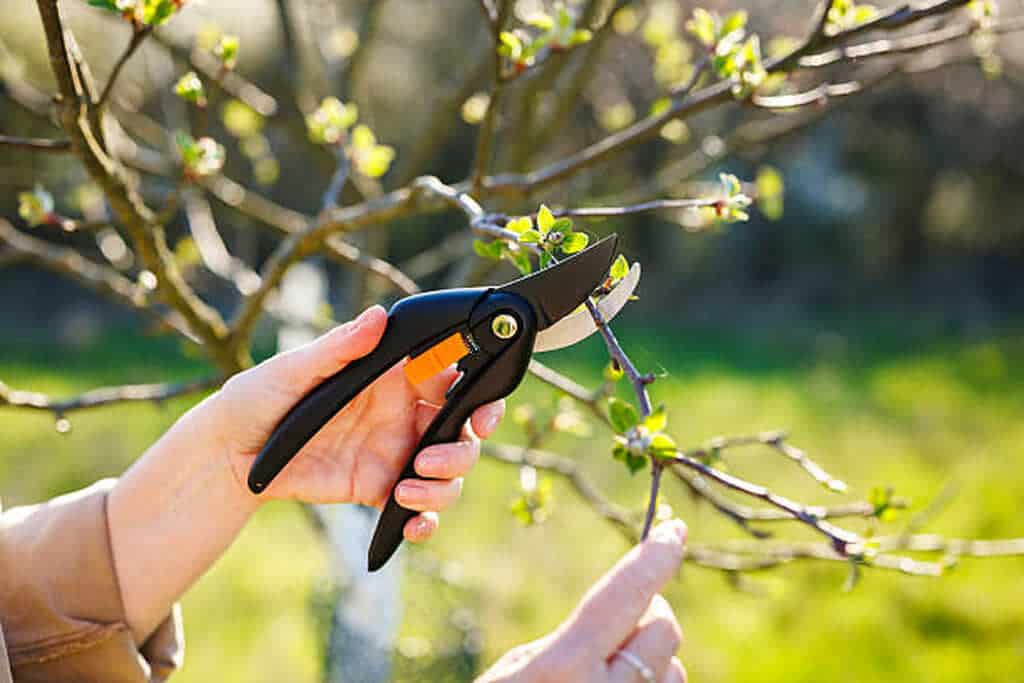
Why is my apple tree not producing fruit?
An apple tree usually stops producing fruit because one or more requirements for flowering, pollination, or fruit development are not being met. The most common causes include an immature tree, inadequate pollination, late spring frost, incorrect pruning, excessive nitrogen fertilizer, insufficient sunlight, poor soil conditions, and damage from pests or diseases.
Apple trees produce fruit through a seasonal cycle that begins long before apples appear on the branches. During the previous growing season, the tree develops flower buds for the following spring. Those buds must survive winter, open into healthy blossoms, receive compatible pollen, and successfully develop into young fruit. A failure at any stage can prevent fruit production, even if the tree appears vigorous and healthy.
Gardeners should diagnose the problem by checking the most likely causes in a logical order. Start by confirming the tree’s age and variety, then evaluate pollination, weather conditions during bloom, pruning practices, fertilization, sunlight exposure, and signs of pests or diseases. Identifying the correct cause prevents unnecessary treatments and increases the likelihood of restoring fruit production.
Is the tree mature enough to bear fruit?
Many apple trees do not produce fruit simply because they have not reached bearing age. The time required depends on the rootstock, cultivar, and growing conditions rather than the tree’s height or overall size.
Dwarf apple trees typically begin producing fruit within 2–4 years after planting, making them the earliest-bearing option for home gardens. Semi-dwarf trees usually require 4–6 years, while standard apple trees often need 6–10 years before producing a consistent crop. During this establishment period, the tree directs most of its energy toward developing roots, trunks, and structural branches instead of flowers and fruit.
Rootstock also influences how quickly an apple tree reaches maturity. Dwarfing rootstocks promote earlier flowering but generally produce smaller trees with shorter lifespans. Standard rootstocks delay fruit production but develop larger, more vigorous trees that can remain productive for decades. Knowing the rootstock or purchasing information helps set realistic expectations for when fruit should appear.
Even a mature tree may produce few or no apples if it experiences transplant stress, inadequate sunlight, drought, or excessive fertilization during its early years. Healthy vegetative growth does not always indicate reproductive maturity. Before investigating more complex problems, gardeners should first confirm that the tree has reached its expected fruit-bearing age.
Does the tree have the right pollination conditions?
Poor pollination is one of the most common reasons an apple tree flowers but does not produce fruit. Most apple varieties require pollen from a compatible cultivar that blooms at the same time to achieve successful fertilization.
Apple blossoms contain both male and female reproductive structures, but most cultivars are self-incompatible. This means pollen from the same variety cannot fertilize its own flowers effectively. Instead, pollen must be transferred from a compatible apple or crabapple tree by pollinating insects, primarily honey bees, bumblebees, and solitary bees. Without compatible pollen, blossoms may open normally but drop without developing fruit.
Pollination partners should generally be planted within 50–100 feet (15–30 m) of each other to maximize bee activity. Although bees can travel much farther, shorter distances significantly improve pollen transfer during the brief flowering period. Gardeners should also ensure that both trees bloom at the same time, as early-, mid-, and late-season flowering varieties are not always compatible.
Pollinator activity depends heavily on weather. Bees are less active during cold, rainy, or windy conditions, reducing the number of flowers that receive pollen. Even when compatible trees are nearby, several days of poor weather during bloom can noticeably reduce fruit set.
Self-fertile apple varieties can produce fruit without another apple tree, but they generally develop larger and more consistent crops when cross-pollinated. If fruit production has been poor for several years, adding a compatible pollination partner or ornamental crabapple is often one of the most effective long-term solutions.
Are weather or growing conditions affecting fruit production?
Weather during flowering has a direct impact on whether an apple tree produces fruit. Frost, prolonged rain, drought, insufficient winter chilling, and inadequate sunlight can all interrupt the reproductive cycle before fruit begins to develop.
Late spring frost is one of the most damaging events for apple blossoms. Flower buds become increasingly vulnerable as they develop, and open blossoms can be killed when temperatures fall below freezing. Damaged flowers often turn brown or black within a few days and cannot develop into apples, regardless of pollination.
Extended periods of rain during bloom also reduce fruit production. Rain limits bee activity and can wash pollen from open flowers before fertilization occurs. As a result, many blossoms drop naturally without setting fruit, even though the tree appears healthy.
Water availability influences fruit development throughout the growing season. Drought stress during flowering or shortly afterward causes the tree to conserve resources by aborting flowers and young fruit. Consistent soil moisture is especially important from bud break through early fruit development, when competition for water is highest.
Apple trees also require adequate winter chilling to produce healthy flower buds. Most cultivars need 800–1,200 chill hours, depending on the variety. In regions with mild winters, trees may leaf out normally but produce few blossoms because their chilling requirement was not fully met.
Sunlight is another essential factor. Apple trees perform best with at least 6–8 hours of direct sunlight each day. Trees growing in dense shade produce fewer flower buds because they prioritize leaf growth over reproduction. Over time, insufficient sunlight leads to smaller harvests and reduced fruit quality, even if other growing conditions are favorable.
Could pruning, fertilizer, or watering be the problem?
Incorrect pruning, unbalanced fertilization, and improper watering can significantly reduce fruit production, even when an apple tree appears healthy. These maintenance practices directly influence flower bud formation and the tree’s ability to support developing fruit.
Pruning has the greatest impact when it removes fruiting wood. Apple trees produce most of their fruit on short, mature shoots called fruiting spurs, which remain productive for several years. Heavy pruning during winter can remove a large number of these spurs, forcing the tree to replace them with vigorous vegetative shoots instead of flowers. As a result, the tree invests energy in branch growth rather than fruit production.
The best pruning strategy is to remove dead, damaged, crossing, and overcrowded branches while preserving healthy fruiting spurs. Annual light pruning improves light penetration and air circulation without sacrificing the following season’s crop. Excessive pruning should be avoided, particularly on mature trees that already have a balanced canopy.
Fertilization also affects whether an apple tree flowers or continues producing leaves. Excess nitrogen is one of the most common nutritional causes of poor fruit production. Nitrogen stimulates vigorous shoot and foliage growth, but excessive amounts suppress flower bud development. Trees growing in lawns frequently receive additional nitrogen from turf fertilizer, which can unintentionally reduce flowering.
Apple trees benefit from balanced nutrition rather than frequent feeding. If soil testing indicates nutrient deficiencies, fertilizers containing appropriate amounts of phosphorus and potassium help support root development, flowering, and fruit growth. Applying fertilizer according to soil conditions produces more consistent results than following a fixed annual schedule.
Water management is equally important. Newly planted apple trees require regular irrigation while establishing their root systems, whereas mature trees benefit from deep, infrequent watering during dry periods. Fluctuations between prolonged drought and excessive watering stress the tree and may cause flowers or young fruit to drop prematurely. Applying organic mulch around the root zone helps conserve soil moisture, moderate temperature fluctuations, and reduce competition from weeds.
Are pests or diseases preventing fruit development?
Pests and diseases can reduce fruit production by damaging flower buds, blossoms, young fruit, or the tree’s overall health. Severe infestations often decrease both the quantity and quality of the harvest over multiple growing seasons.
Several insect pests attack apple trees before fruit fully develops. Aphids feed on tender shoots and flower clusters, weakening new growth and reducing blossom quality. Codling moth larvae tunnel directly into developing apples, causing premature fruit drop and making affected fruit unsuitable for harvest. Other pests, including plum curculio and apple sawfly in some regions, damage newly formed fruit shortly after pollination.
Diseases can interfere with flowering and fruit development even before symptoms become obvious. Fire blight infects blossoms, shoots, and branches, causing flowers to wilt and blacken as though scorched by fire. Cedar apple rust reduces the tree’s vigor by infecting leaves and fruit, while apple scab damages leaves and developing apples, lowering both yield and fruit quality. Repeated disease pressure weakens the tree and reduces flower bud formation for future seasons.
Early detection greatly improves management. Gardeners should inspect trees regularly during spring and early summer for discolored blossoms, dead shoots, distorted leaves, insect feeding, or premature fruit drop. Monitoring the tree throughout the growing season makes it easier to identify problems before they spread.
Integrated pest management provides the most sustainable long-term approach. Sanitation practices such as removing fallen fruit and infected branches reduce overwintering pests and pathogens. Maintaining an open canopy through proper pruning improves air circulation, which lowers disease pressure. When monitoring indicates that pest or disease populations exceed acceptable levels, targeted biological or chemical controls should be applied according to local recommendations and the specific pest involved.
Why does an apple tree produce fruit every other year?
An apple tree may produce a heavy crop one year and little or no fruit the next because of biennial bearing, also known as alternate bearing. This natural growth pattern occurs when the tree uses most of its stored energy to mature a large crop, leaving insufficient resources to develop flower buds for the following season.
Flower buds for next year’s harvest begin forming during the current growing season. When a tree carries too many apples, carbohydrates and nutrients are directed toward fruit development instead of bud formation. As a result, the tree produces abundant fruit one year but far fewer blossoms the next spring.
Some apple cultivars are naturally more prone to biennial bearing than others, particularly if fruit is not thinned early in the season. Young trees and neglected trees are also more likely to develop this pattern because their energy reserves fluctuate more dramatically from year to year.
The most effective way to reduce biennial bearing is to thin excess fruit shortly after the natural June fruit drop. Removing crowded or undersized fruit allows the tree to distribute its energy more evenly between the current crop and the formation of flower buds for the following year. Combined with proper pruning, irrigation, and balanced fertilization, fruit thinning helps stabilize production and encourages a more consistent annual harvest.
Read more: How Often Should You Water Apple Trees? Complete Guide
How can I get my apple tree to produce fruit again?
The fastest way to restore fruit production is to identify and correct the factor preventing flowering or fruit set. Instead of applying multiple treatments at once, inspect the tree systematically and address each potential cause in order.
Begin by confirming that the tree has reached its normal fruit-bearing age. Young apple trees often require several years before producing their first crop, depending on the rootstock and cultivar.
Next, evaluate pollination. Ensure a compatible apple variety blooms nearby, observe whether bees are active during flowering, and check whether frost or prolonged rain occurred while the tree was in bloom. Poor pollination remains one of the most common reasons otherwise healthy trees fail to set fruit.
Review your maintenance practices throughout the previous year. Avoid excessive pruning that removes fruiting spurs, reduce unnecessary nitrogen applications, and maintain consistent soil moisture during flowering and early fruit development. If the tree receives less than six hours of direct sunlight each day, consider pruning nearby trees or relocating younger specimens to a sunnier location.
Inspect the tree for signs of insects, diseases, damaged blossoms, or premature fruit drop. Early intervention prevents recurring problems that reduce future harvests. If multiple issues are present, correcting the underlying growing conditions often improves the tree’s natural resistance while increasing flower and fruit production.
How can I prevent poor fruit production in future seasons?
Consistent annual care is the best way to maintain reliable fruit production. Healthy apple trees develop flower buds months before harvest, so the care provided throughout the year directly influences the next growing season.
Prune the tree every year to maintain an open canopy without removing excessive fruiting wood. Good light penetration improves flower bud formation, increases air circulation, and reduces the risk of fungal diseases. Inspect the tree during dormancy to remove damaged or crossing branches while preserving healthy fruiting spurs.
Maintain balanced soil fertility based on soil test results rather than routine fertilizer applications. Water deeply during prolonged dry periods, apply mulch to conserve soil moisture, and monitor for nutrient deficiencies before symptoms become severe. Avoid excessive nitrogen, which promotes leafy growth at the expense of flowering.
Support pollinators by planting compatible apple varieties or flowering plants that attract bees throughout the growing season. Inspect blossoms, leaves, and developing fruit regularly for early signs of pests or diseases, and address problems before they affect the current or following year’s crop.
A simple annual maintenance routine—including seasonal pruning, pollination management, proper irrigation, balanced fertilization, and regular pest monitoring—helps most apple trees produce healthy blossoms and reliable harvests for many years.